
Blog
Understanding the psychological effects of gambling on decision-making and behavior

Understanding the psychological effects of gambling on decision-making and behavior
The Nature of Gambling and Its Appeal
Gambling has long captivated people, presenting a tantalizing mix of chance and skill. This appeal is deeply rooted in human psychology, as the thrill of potentially winning can induce feelings of excitement and euphoria. The anticipation of a reward activates the brain’s reward pathways, releasing dopamine, which reinforces the behavior. For many, this can lead to a cycle of repeated gambling, with individuals continually seeking that rush, often disregarding the risks involved. As players explore their options, they might come across bpexch pakistan, which offers various avenues for betting and gaming.
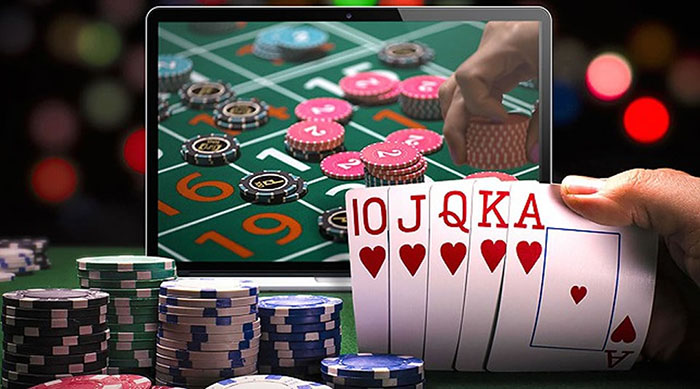
Moreover, the social context of gambling enhances its allure. Activities such as poker nights or betting on sports can create a sense of community and camaraderie among participants. This social aspect can be both a source of entertainment and a means of establishing social identity. However, it can also mask the underlying issues related to gambling addiction, making it more challenging for individuals to recognize when their behavior has shifted from casual fun to problematic habits.
Additionally, myths surrounding gambling can further complicate perceptions. Many believe they can consistently predict outcomes based on previous results, leading to overconfidence. This cognitive bias, known as the “gambler’s fallacy,” can exacerbate irresponsible decision-making. By understanding the psychological mechanisms that drive the allure of gambling, individuals can better navigate their experiences and mitigate potential negative consequences.
The Role of Cognitive Biases in Gambling
Cognitive biases significantly influence how gamblers interpret their experiences and make decisions. One prevalent bias is the illusion of control, where individuals believe they can influence outcomes in games of chance through their actions or decisions. This illusion can lead to more frequent gambling, as individuals feel empowered by their supposed abilities to sway results, despite the random nature of games like slots or roulette.
Another common bias is the confirmation bias, where gamblers selectively seek information that supports their beliefs while ignoring contradictory evidence. For instance, a gambler who has experienced a series of wins may focus solely on those successful outcomes and dismiss the numerous losses. This selective perception reinforces the desire to continue gambling, as it fosters a sense of optimism and entitlement to future wins.
These cognitive distortions can create a feedback loop that perpetuates risky behaviors. When individuals fail to recognize the impact of these biases, they may make increasingly poor decisions, often leading to significant financial and emotional consequences. Understanding these biases is crucial for anyone involved in gambling, as it can help mitigate their effects and promote healthier decision-making practices.
The Emotional Impact of Gambling
The emotional landscape surrounding gambling is complex, often oscillating between exhilaration and despair. Winning can lead to feelings of euphoria and empowerment, while losing can trigger disappointment, frustration, and even depression. These emotional highs and lows can significantly impact an individual’s mental well-being, leading to a cycle of emotional gambling where individuals chase losses in hopes of regaining their previous state of happiness.
Moreover, gambling can become a coping mechanism for underlying psychological issues. Many individuals use gambling as a way to escape stress, anxiety, or depression. The temporary thrill of a game can provide a distraction from daily life challenges, but this coping strategy can have detrimental effects in the long run. As the gambler seeks solace in the activity, the risk of developing a gambling addiction increases, leading to a host of emotional and psychological issues.
Additionally, the impact of gambling often extends beyond the individual to affect their relationships and social circles. Loved ones may experience feelings of betrayal, frustration, or helplessness as they witness the detrimental effects of gambling. This can lead to isolation for the gambler, further complicating their emotional landscape and perpetuating the cycle of addiction. Addressing the emotional consequences of gambling is essential for recovery and healthier decision-making.
Given the psychological effects of gambling, implementing strategies for responsible gambling is crucial. Establishing limits on time and money spent can help individuals maintain control over their gambling activities. By setting clear boundaries, gamblers can enjoy the experience without allowing it to spiral into an uncontrollable habit. Understanding personal triggers and recognizing the signs of problematic gambling are vital for intervention before the situation escalates.
Education plays a critical role in promoting responsible gambling. Learning about the odds, potential outcomes, and the psychological effects can empower individuals to make informed decisions. By fostering a realistic understanding of gambling, players can mitigate cognitive biases and approach the activity with a healthier mindset. Many gambling organizations also provide resources for education, support, and counseling, which can be invaluable for those who may be struggling.
Furthermore, finding alternative outlets for entertainment and social interaction can lessen the reliance on gambling as a primary source of enjoyment. Engaging in hobbies, sports, or community events can provide fulfilling experiences without the risks associated with gambling. By diversifying interests and activities, individuals can create a balanced lifestyle, reducing the potential for gambling-related issues.

Conclusion: Responsible Gaming with BPExch
Understanding the psychological effects of gambling is crucial for promoting healthier decision-making and behaviors. By being aware of cognitive biases, emotional impacts, and strategies for responsible gambling, individuals can engage in gaming activities more mindfully. Organizations like BPExch prioritize a secure gaming environment, allowing users to enjoy cricket betting and various casino games while providing resources for responsible gaming.
BPExch not only offers exciting betting opportunities but also emphasizes the importance of education and support for its users. With competitive bonuses and a commitment to customer service, players can navigate the gaming landscape with confidence. The platform encourages a balanced approach to gambling, fostering an environment where individuals can enjoy the thrill of gaming responsibly.
“`