
Blog
The evolution of gambling A journey through history

The evolution of gambling A journey through history
Ancient Beginnings of Gambling
The roots of gambling can be traced back thousands of years to ancient civilizations. Archaeological evidence from Mesopotamia indicates that the earliest forms of gambling involved betting on the outcome of games of chance using dice. The ancient Egyptians also engaged in gambling activities, as depicted in various artifacts and murals. Games involving chance were not merely entertainment; they often served a social function, bringing people together for competition and camaraderie. Players seeking the best interac casino will appreciate how these social dynamics echo in modern gaming experiences.

As civilizations progressed, so did the forms of gambling. The Chinese, for example, developed games with a gambling element as early as the Shang Dynasty, around 1500 BC. Their gambling practices included the use of tiles to play games that eventually evolved into modern-day lotteries. These early forms of gambling were often intertwined with cultural rituals, reflecting the society’s values and beliefs, making it clear that gambling held a significant role in the fabric of early life.
The ancient Greeks and Romans also contributed to the evolution of gambling. In Greece, citizens enjoyed games of chance like dice and betting on athletic competitions during festivals, while Romans used wagering as a form of entertainment. Their society embraced gambling, and it became integrated into their daily activities. These historical practices laid the groundwork for the gambling systems we recognize today.
The Middle Ages and the Rise of Gambling Houses
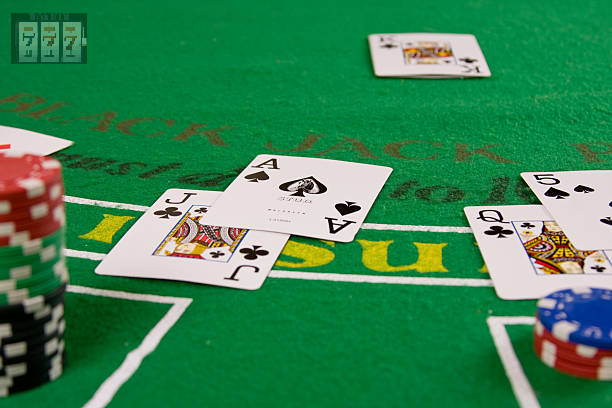
The Middle Ages saw significant changes in gambling, particularly in Europe, where the establishment of dedicated gambling houses began. These establishments, which would evolve into modern casinos, provided a controlled environment for betting, attracting both the wealthy and the working class. The rise of card games during this period, such as poker and blackjack, established a new avenue for gambling, one that focused on skill as well as chance.
During this time, gambling laws began to take shape. Many governments sought to regulate gambling to curb its more detrimental aspects, leading to the implementation of various taxes and restrictions. Despite these attempts, gambling flourished and became popular among all classes, indicating a society increasingly accepting of the gambling culture. This acceptance also highlighted a growing interest in organized gaming, setting the stage for future developments.
The late Middle Ages saw the advent of gambling on sports events, particularly horse racing. This development was pivotal, as it shifted gambling from purely chance-based games to a mix of chance and skill, engaging the intellect of gamblers. The growing popularity of betting on sports mirrored societal changes, where public events became opportunities for socializing and monetary engagement.
The Age of Enlightenment and Legalization
The Age of Enlightenment brought about a philosophical shift that influenced attitudes toward gambling. With an increasing focus on reason and individual rights, many began to view gambling as a legitimate form of entertainment rather than a vice. This change contributed to the legalization of various forms of gambling across Europe, notably the establishment of the first official lotteries and casinos, which provided a framework for regulated gaming.
In the 18th century, the emergence of sophisticated games like baccarat and the refinement of betting systems contributed to the evolution of gambling. The era saw an increase in elite gambling establishments frequented by aristocrats, symbolizing a higher social status associated with gaming. This connection between gambling and high society further legitimized the activity, allowing it to permeate various aspects of culture and lifestyle.
The push for legal gambling also led to the birth of state-sponsored lotteries, intended to raise funds for public projects. These lotteries became popular across Europe and North America, allowing ordinary citizens to participate in gambling while supporting community causes. This period marked a turning point in gambling history, as the blend of regulation and participation shaped the future landscape of gambling.
The Modern Era: Technology and Online Gambling
The late 20th century heralded a new era for gambling, primarily due to advancements in technology. The introduction of the internet transformed the gambling landscape, making it more accessible than ever. Online casinos began to emerge, allowing players to enjoy their favorite games from the comfort of their homes. This convenience attracted a broader audience, particularly younger generations who preferred digital engagement over traditional casinos.
With the rise of online gambling came significant innovations such as live dealer games and mobile gaming applications. Players could now interact with real dealers via live-streaming technology, blurring the lines between online and physical casinos. This transformation not only diversified the gaming experience but also heightened competition among operators, resulting in improved features, bonuses, and user-friendly platforms.
However, this evolution also raised concerns about responsible gambling practices. The ease of access to online gambling prompted debates around addiction and regulation. As the industry evolved, many platforms began adopting measures to promote responsible gambling, including self-exclusion tools and informational resources. This commitment to player safety reflects the industry’s understanding of its social responsibility in a rapidly changing landscape.
Gambling Today: A Global Perspective
Today, gambling is a global phenomenon, with various forms enjoyed by millions. From traditional casinos to online platforms, gambling takes many shapes and sizes, influenced by cultural attitudes and legal frameworks. The industry continues to evolve, with innovations such as cryptocurrency gambling and virtual reality gaming emerging on the horizon. These advancements are reshaping the gambling experience, offering new ways for players to engage.
Legislation surrounding gambling varies dramatically from one region to another. While some countries embrace it fully, others maintain strict prohibitions, reflecting local beliefs and societal values. This disparity creates a unique landscape where some players benefit from comprehensive regulations and protections, while others face challenges due to restrictive laws. As globalization continues, the interplay between local regulations and international gaming trends will significantly impact the future of gambling.
In this fast-evolving environment, responsible gambling remains a crucial topic. As the accessibility of gambling increases, so too does the importance of implementing strategies to foster safe practices among players. Stakeholders in the industry are increasingly recognizing the need to provide resources and information to encourage responsible gambling, ensuring that the evolution of gambling aligns with player welfare.
Interac Casinos: Your Guide to Responsible Gambling
For Canadian players seeking a seamless and secure gambling experience, Interac Casinos represent an ideal choice. This platform focuses on providing thorough reviews of the best online casinos that support Interac, offering insights into how to make the most of this payment method for deposits and withdrawals. By emphasizing safety and convenience, Interac Casinos ensures that players can engage in gambling without sacrificing their security.
Moreover, the site is dedicated to promoting responsible gambling practices. With a wealth of resources and information at users’ disposal, players are encouraged to make informed decisions about their gambling habits. From understanding the importance of setting limits to recognizing signs of problem gambling, Interac Casinos provides essential tools to help individuals gamble responsibly.
As the world of gambling continues to evolve, platforms like Interac Casinos are crucial in guiding players toward safe and enjoyable experiences. By focusing on security, quick transactions, and responsible gambling, these resources help ensure that players can fully enjoy the excitement of gambling while keeping their well-being at the forefront.