
Blog
The cultural significance of casinos in modern society

The cultural significance of casinos in modern society
The evolution of casinos as cultural institutions
Casinos have evolved significantly from their origins as simple gambling houses to grand establishments that reflect the cultural dynamics of modern society. Initially, these venues served primarily as places for gambling, drawing in patrons looking for entertainment and the thrill of chance. Over the years, however, casinos have transformed into multifaceted cultural institutions, offering a wide range of entertainment options, dining experiences, and luxurious accommodations. This evolution highlights how casinos have become integrated into the fabric of society, shaping local cultures and economies. If you are looking for the best online pokies nz, there are many options available to explore.

In many regions, casinos have taken on roles that extend beyond mere gambling. They serve as social hubs where individuals gather to enjoy live performances, fine dining, and luxurious amenities. This shift towards a more comprehensive entertainment experience illustrates the cultural significance of casinos in modern society, as they contribute to local tourism and provide jobs for residents. Moreover, they often reflect the values and aesthetics of their surroundings, adapting to the cultural context of the areas in which they operate.
The importance of casinos can also be seen in how they foster community engagement and social interactions. As venues for major events such as concerts, conventions, and festivals, casinos often bring together diverse groups of people, thus promoting cultural exchange and understanding. This aspect underscores the potential of casinos to play a vital role in cultivating a sense of community and belonging, enriching the cultural landscape of modern society.
Casinos and economic impact
The economic impact of casinos in modern society is considerable and multi-dimensional. Firstly, they create thousands of jobs, ranging from hospitality positions to skilled trades in maintenance and security. The presence of a casino can significantly boost local economies, as increased tourism leads to higher spending in surrounding businesses, such as restaurants, shops, and hotels. This economic ripple effect underscores the vital role casinos play in job creation and supporting local entrepreneurs.
Moreover, casinos contribute to government revenues through taxation and licensing fees, which can be allocated to vital public services such as education and infrastructure. In regions where casinos are legalized and regulated, the generated revenue can lead to enhanced community services and improved living conditions. This financial benefit is often a significant driver for local governments considering the legalization of casinos, reflecting their importance as a means of economic development.
However, the economic advantages are not without their challenges. The presence of casinos can also lead to social issues, such as problem gambling and its associated costs to society. It is crucial for communities to strike a balance between reaping the financial benefits of casinos while implementing measures to address and mitigate potential negative consequences. This duality emphasizes the need for responsible gaming initiatives and community support systems, ensuring that the economic benefits do not overshadow social responsibility.
The role of casinos in popular culture
Casinos have permeated popular culture in various forms, from films and television shows to literature and music. This representation often shapes public perceptions and attitudes toward gambling, illustrating the complex relationship between society and casinos. Iconic movies such as “Casino” and “Ocean’s Eleven” romanticize the allure of casinos, showcasing them as glamorous playgrounds filled with excitement and intrigue. Such portrayals highlight how casinos serve as symbols of risk, reward, and the human desire for adventure.
Moreover, the depiction of casinos in popular culture often reflects societal values and anxieties surrounding gambling. While some narratives celebrate the thrill and potential for fortune, others caution against the dangers of addiction and loss. This duality in representation serves to reinforce the cultural significance of casinos, as they evoke both fascination and caution in the public consciousness. As such, casinos continue to be significant in shaping narratives around wealth, luck, and the human experience.
In addition to film and literature, casinos also influence music and art, with many songs and artworks drawing inspiration from the vibrant atmosphere of these establishments. The pulsating energy of casinos often translates into creative expressions, further embedding them into cultural memory. This interplay between casinos and the arts underscores their importance as cultural landmarks, influencing various creative fields and reflecting society’s evolving relationship with risk and reward.
Social interactions and community building
Casinos have become modern social environments where individuals gather, fostering connections and interactions that transcend social boundaries. As venues for diverse activities such as gaming, live entertainment, and dining, casinos offer a unique setting for people to come together and share experiences. This communal aspect of casinos plays a crucial role in promoting social engagement, where patrons can connect over shared interests and activities.
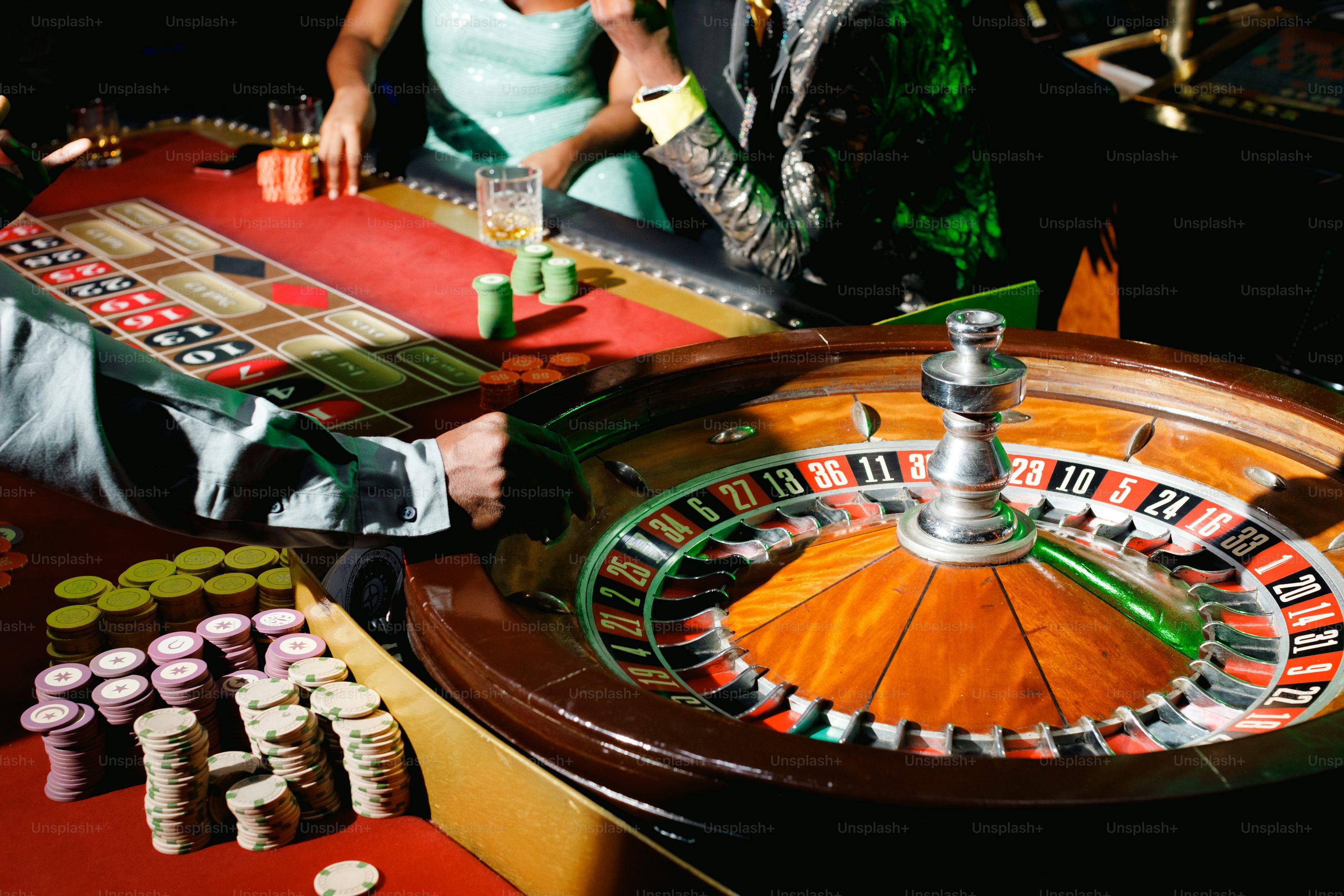
The interactive nature of casino gaming, such as table games that encourage conversation and camaraderie, reinforces the importance of these spaces as social hubs. Players often form friendships and engage in discussions that can last beyond their time at the casino, highlighting the role of these establishments in building interpersonal relationships. The social aspect of casinos can also be seen in organized events, tournaments, and themed nights, which further encourage community participation and bonding.
Furthermore, casinos often support local initiatives and charitable events, using their platform to give back to the community. This engagement strengthens ties between the casino and the surrounding area, allowing for a two-way relationship that benefits both parties. By fostering a sense of community and facilitating social interactions, casinos contribute to the cultural landscape, making them significant players in the fabric of modern society.
Exploring online casinos and their cultural relevance
With the rise of technology, online casinos have emerged as significant cultural entities, shaping the way people engage with gaming and entertainment. These digital platforms offer a convenient and accessible alternative to traditional casinos, catering to a broader audience. The shift towards online gambling reflects the changing preferences of society, where instant gratification and remote engagement have become increasingly important in modern life.
Online casinos not only provide a wide range of gaming options but also foster community through virtual interactions and social features. Many online platforms offer chat rooms and multiplayer games, allowing players to connect with others from around the world. This digital socialization mirrors the community-building aspects of physical casinos, emphasizing the cultural significance of online gambling in a globalized society.
Moreover, online casinos are often at the forefront of innovation, utilizing technology to create immersive experiences that can rival traditional establishments. Features such as live dealer games and virtual reality environments showcase how online gambling continues to evolve, reflecting modern society’s fascination with technology and entertainment. As online casinos gain popularity, their cultural relevance becomes increasingly apparent, reinforcing the idea that gambling and social interaction remain integral components of human experiences.